
A shared ecosystem for small-scale mining and its communities
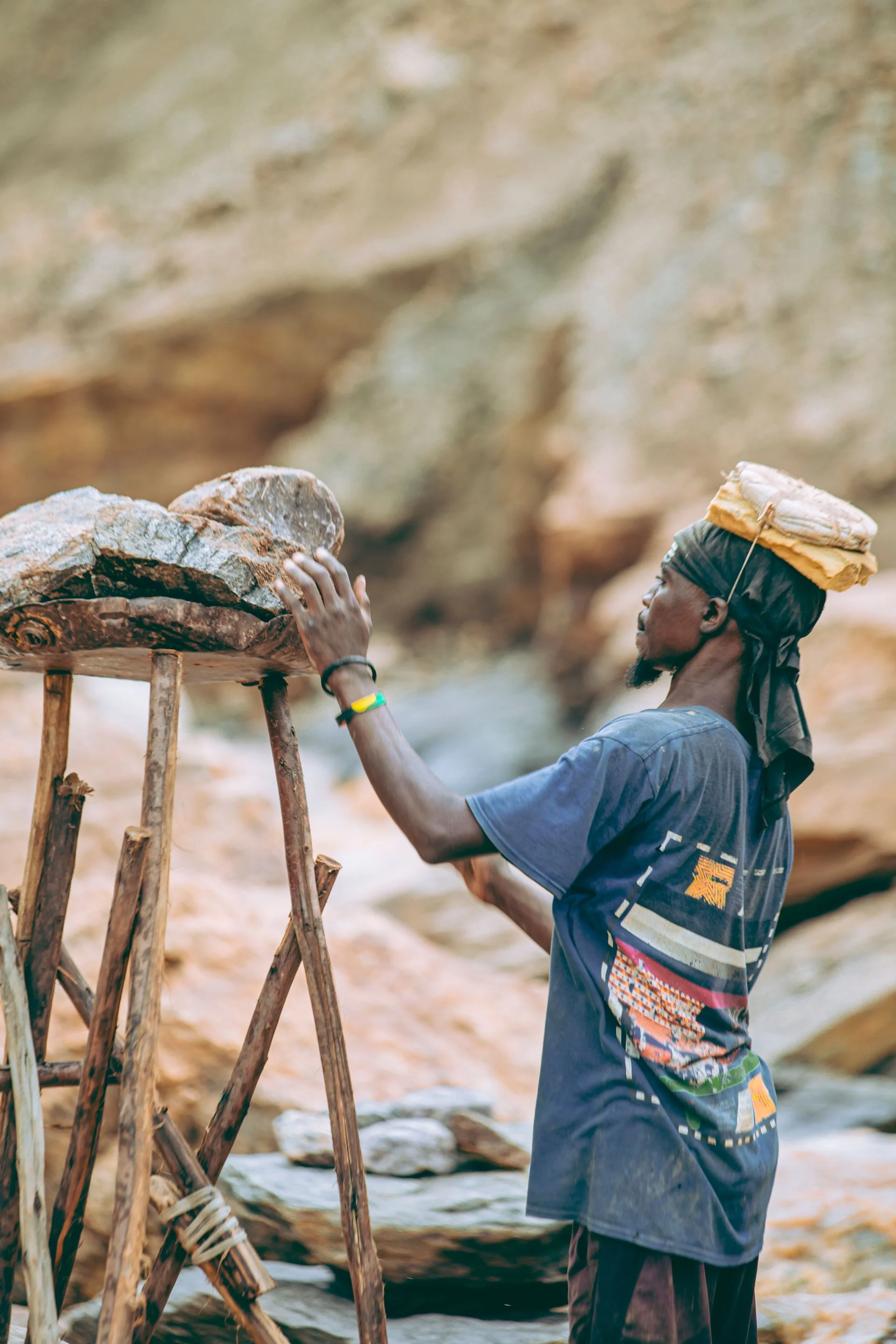
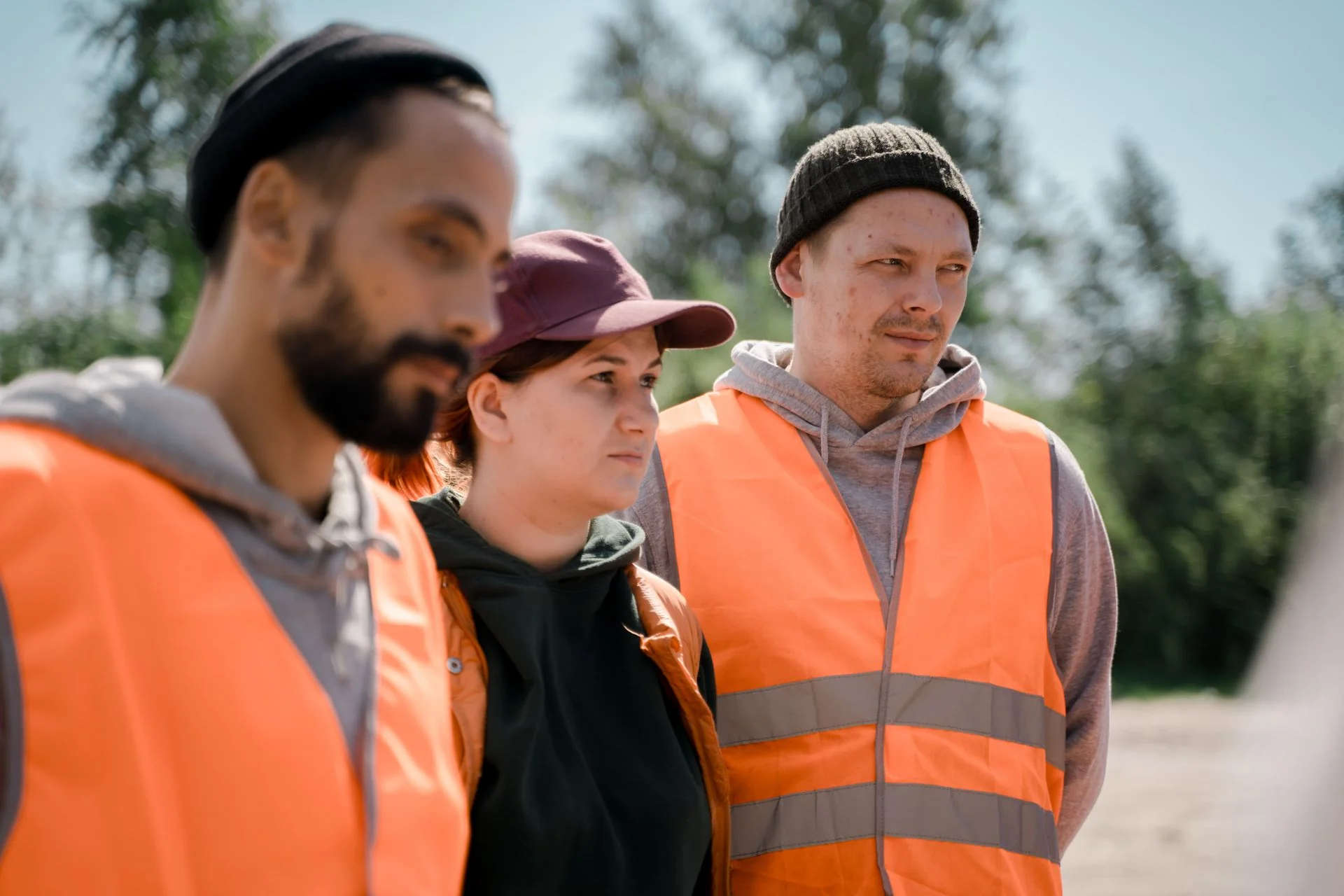
Local knowledge and specialist support each have a role.
Together, participants agree on priorities, responsibilities and the evidence needed to plan and review their next steps.
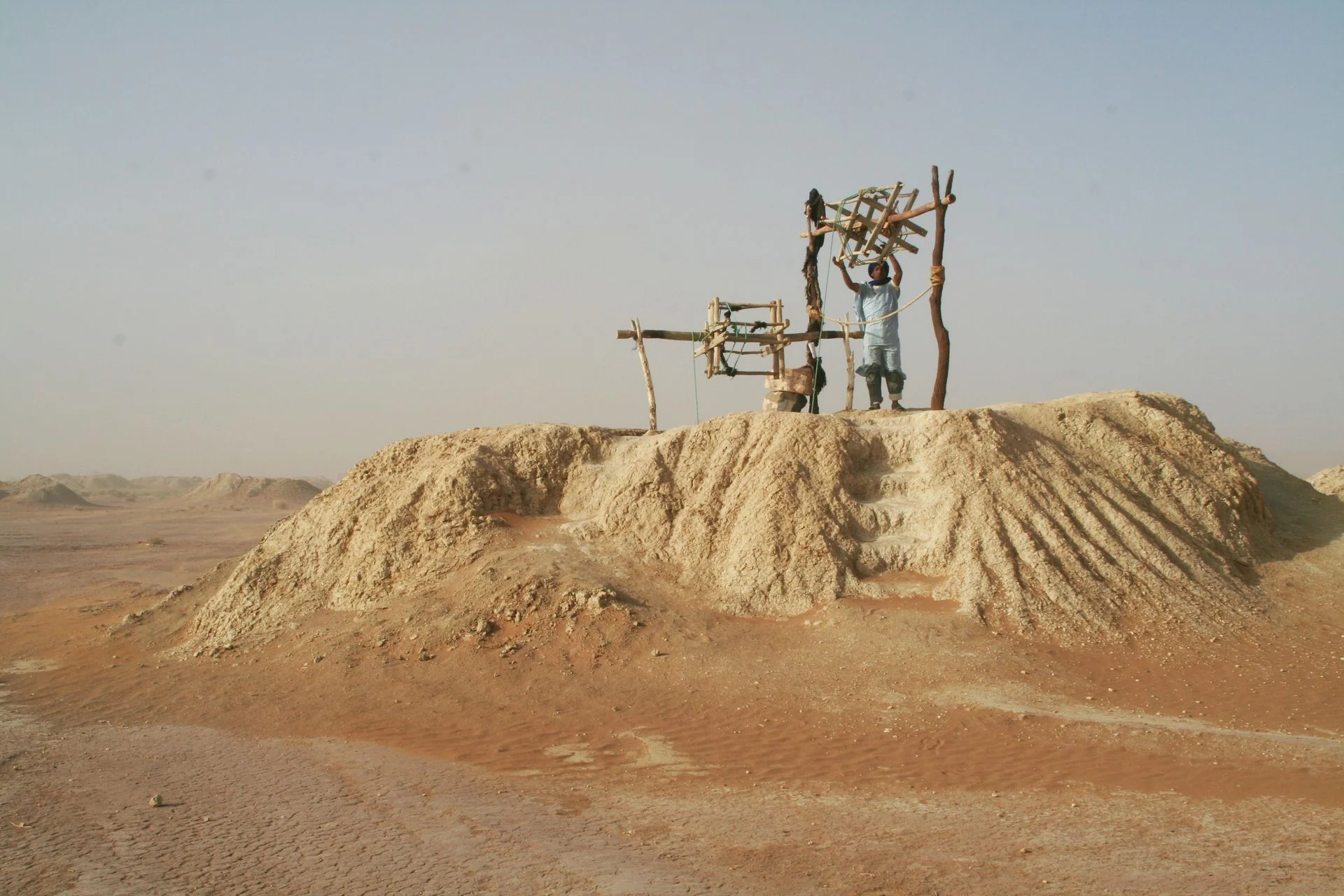
Progress begins by connecting the people and resources already in place.
Small-scale miners and cooperatives contribute practical knowledge. Ministries and regulators clarify public requirements. Policy, ESG, technical and funding partners contribute research, resources and support. Each has a distinct role.
Disconnected efforts can leave communities facing repeated requests and unclear responsibilities. A consortium can organize participants around one purpose, an agreed work plan and a process for reviewing progress.
Each participant brings a distinct mandate, perspective and contribution.
TradePass, GeoTag and GCI are intended to support identity, place and evidence. FormalizationOS brings these foundations into programme design alongside compliance support and consortium development. A pathway must reflect local law, community priorities and the responsibilities of each participant; joining a conversation does not confer formal status.
01
.
02
.
03
.
04
.
Different roles, one shared pathway to formal participation

Set local priorities, represent members and identify practical needs. Women and community voices should help shape decisions.
Clarify requirements and public responsibilities. Formal recognition remains with the authorities responsible for each jurisdiction and activity.
Contribute research, safeguards and environmental or social expertise. Help participants define relevant evidence and review their progress.
Provide skills, services and resources through agreed work plans. Set clear responsibilities, milestones and conditions for support.