
Built for people, shared progress.
A shared foundation for identity, trusted evidence and participation in formal markets.
Communities, institutions and partners each have a role in building a practical path to formal participation, shaped by their local priorities.

Participation starts with people and evidence
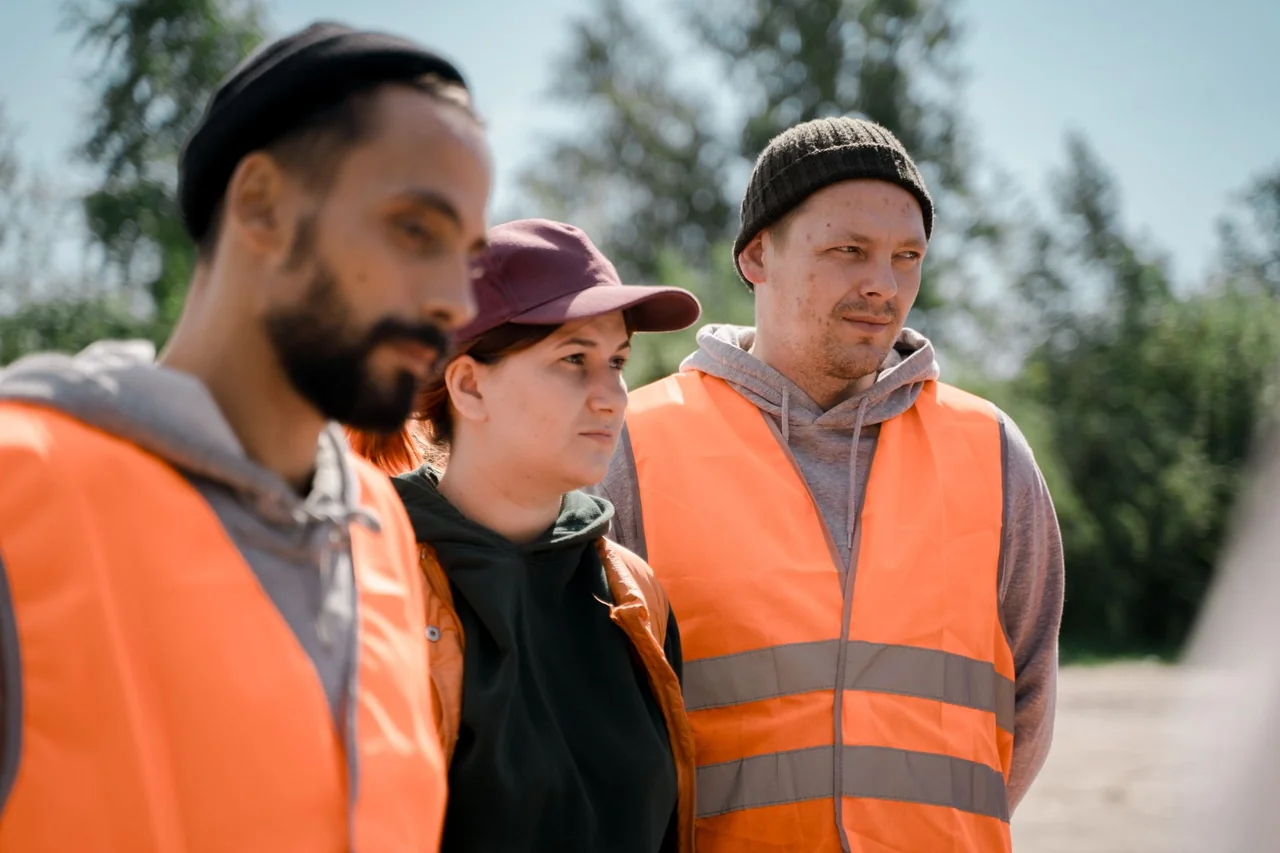
Identity and community context provide a starting point. Producers can describe who they are, their work and how they wish to participate.

Site records and supporting evidence help operators describe where work happens, who is involved and the relevant requirements locally.

Associations and partners can organize around shared priorities, agreed responsibilities and local knowledge, building a practical path forward together.
People first.
Shared progress follows.
A shared approach to participation, built around identity, evidence, compliance support and the communities who use these foundations.

Recognize people and organizations
TradePass is GTCX identity infrastructure designed to support people and organizations as they participate. It provides a foundation for credentials, while appropriate verification and review depend on the programme, its participants and the requirements that apply locally.
Connect evidence to place
GeoTag is designed to connect field evidence to a place. GCI provides a framework for assessing standing from evidence. Together they help participants describe their work, understand relevant records and prepare for review with appropriate qualified local partners.

Prepare for appropriate compliance review
Compliance support can help communities understand requirements, organize records and work with qualified partners. The relevant steps depend on the activity, jurisdiction and available services, with responsibilities agreed clearly between the people involved.

Organize together with trusted partners
Consortiums and associations bring members together around shared goals. Their governance, responsibilities and next steps are shaped with community participants and appropriate local partners. The approach builds on existing relationships and knowledge while reflecting the context in which people work.
What guides us
Participation starts by listening to people, understanding their work and priorities, and giving communities a meaningful role in shaping decisions within their own local context together.
Trusted evidence helps people explain their work, understand relevant records and take the next step.

Shared progress depends on roles, knowledge and accountable partners working together as community needs change over time.
Participation starts by listening to people, understanding their work and priorities, and giving communities a meaningful role in shaping decisions within their own local context together.
Trusted evidence helps people explain their work, understand relevant records and take the next step.
Shared progress depends on roles, knowledge and accountable partners working together as community needs change over time.

Where each community journey can begin
For communities ready to build shared futures
